On this page
An automatic door closer is a mechanical device that ensures that a door closes smoothly and safely on its own. We come across them every day, but they’re essential for the safety, comfort and energy savings of your Montreal business or building.
Door closers: more than a gadget, a necessity

Think of your door closer as the silent guardian of your building. It’s not just an accessory, it’s a pillar of your security and energy efficiency, especially in Montreal, where our climate doesn’t do you any favours.
Its mechanism, usually hydraulic, controls how the door closes every time someone goes through. No more violent slamming caused by the frequent gusts of wind in LaSalle or Anjou. More importantly, it makes sure the door locks properly behind each person.
A question of safety and legal compliance
For a business on the Plateau-Mont-Royal or an apartment building in Westmount, a functional door closer isn’t an option, it’s a necessity.
- Intrusion prevention: A door that closes by itself is the assurance that an oversight will not leave an entrance open to ill-intentioned people.
- Building code compliance: Fire doors must be equipped with a working door closer. This is a requirement of the Régie du bâtiment du Québec (RBQ) to contain smoke and flames in the event of a fire.
- Equipment protection: Prevents shocks that prematurely wear down the door, frame and lock.
An invaluable ally against Quebec winters
A quality door closer has a direct impact on your wallet. In an office building in Saint-Léonard or a home in Montréal-Nord, a door left ajar in winter means heat literally escaping outside.
A well-adjusted door closer keeps the building sealed. The savings on heating bills quickly pay back the investment.
With over 20 years of experience in the trade, we know that a door closer has to be chosen with care. The models we prefer, such as those from Dorex and LCN, are known for their reliability, even in extreme cold. To learn more, see our guide to emergency exit regulations in Quebec.
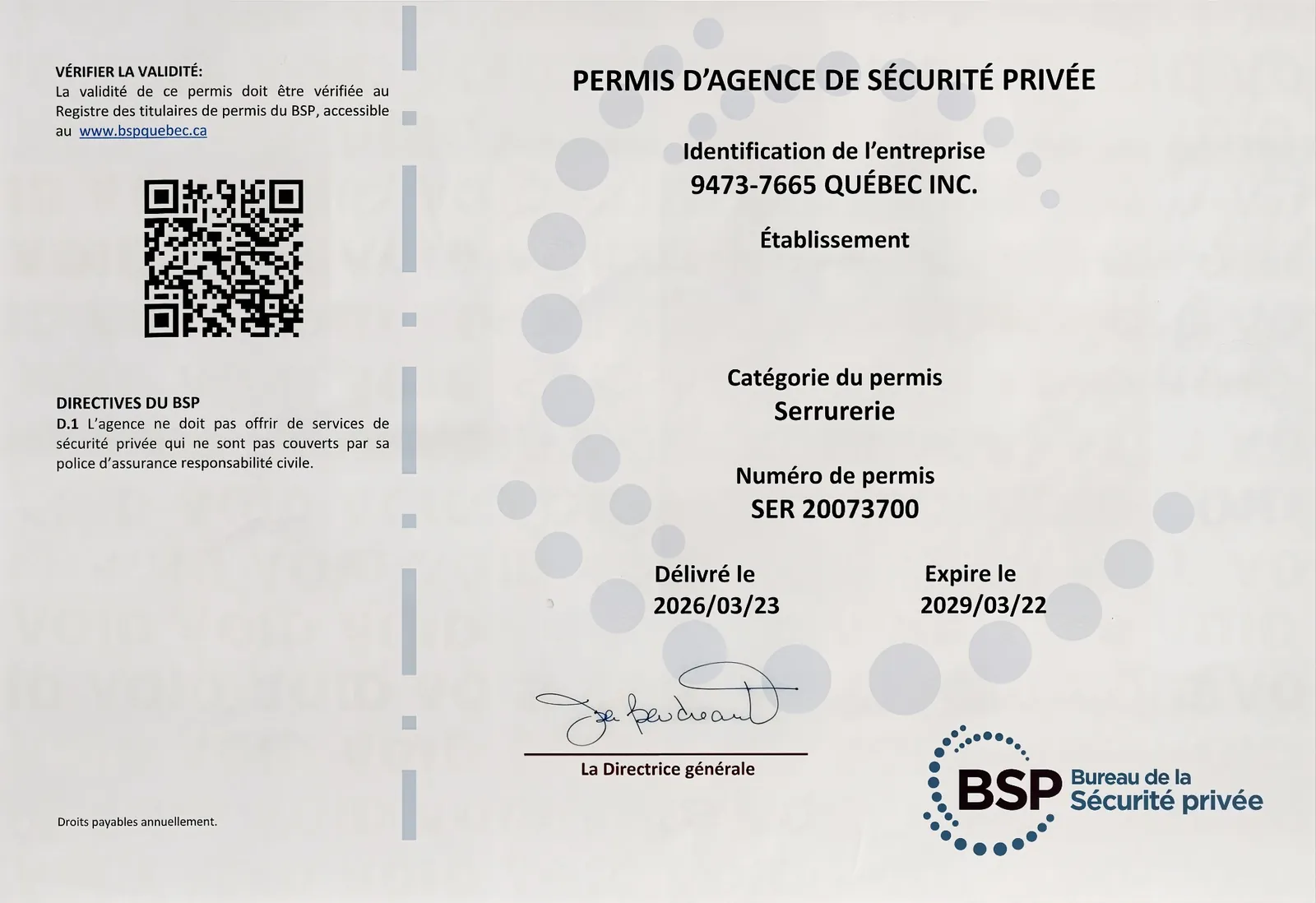
At Lock Aid, we’re a bilingual company that knows these local realities. We hold BSP permit #SER 20073700, and our technicians, with police security clearance, are here to advise you.
If your door closer fails, our emergency service, offered during business hours, is there so your door doesn’t become a weak point, whether you’re in Ahuntsic or elsewhere in Greater Montreal.
What are the different types of door closer?
When we talk about automatic door closers, we’re not talking about a simple gadget, but a piece of engineering essential to the security of your access. Whether your building is in Westmount, Plateau-Mont-Royal or Anjou, there’s a solution for you.
The 3 main types of door closer
The most common model is the surface-mounted closer. It is visibly fixed to the top of the door or to the frame. Its popularity is due to its robustness and ease of installation, making it the workhorse for most commercial doors.
For projects where aesthetics are paramount, we turn to recessed or concealed door closers. Integrated into the door or its frame, they are invisible once the door is closed. They’re the choice of luxury boutiques and modern residences with sleek designs.
Finally, for very large doors, there’s the floor closer. This is the heavyweight solution par excellence, designed to manoeuvre massive glass doors like those in the lobbies of Montreal skyscrapers.
At the heart of the mechanism: the hydraulic system
It’s the internal mechanism that dictates performance. With our 20 years of experience, we almost always recommend hydraulic mechanisms from reputable brands such as LCN and Dorex. Their reliability in Quebec’s harsh winters is unquestionable.
A hydraulic door closer works like a car shock absorber:
- A special fluid circulates through a series of internal valves.
- By adjusting these valves, our BSP-certified technicians precisely set the closing speed, the opening cushion (backcheck) and the final push that engages the latch (latch speed).
- This technology ensures a controlled closing, without slamming, that protects your lock and your frame.
For a high-traffic entrance door in an area like LaSalle or Saint-Léonard, a quality commercial model like the LCN 4040XP or the Dorex 1600 is a smart investment. Their thermostatic fluid ensures stable performance, whether it’s -30 °C or +30 °C.
Comparison of door closer mechanisms
This table compares the hydraulic technology we install with more basic spring mechanisms.
| Features | Hydraulic mechanism (e.g. LCN, Dorex) | Basic spring mechanism |
|---|---|---|
| Speed control | Highly precise and fully adjustable for smooth closing. | Basic, often leading to slamming. |
| Durability | Designed for heavy use (ANSI/BHMA Grade 1), ideal for businesses. | Low, suitable for light residential use only. |
| Winter performance | Reliable thanks to thermostatic fluid that won’t freeze. | Inconstant; the spring loses strength in extreme cold. |
| Security | Ensures full latching, essential for security. | Does not always guarantee that the door locks completely. |
| Ideal for… | Businesses, apartment buildings, exterior doors in Montreal. | Lightweight interior doors, non-critical use. |
Hydraulic technology is clearly in a class of its own when it comes to performance and reliability.
Choosing the right type of door closer is a security decision. A model that doesn’t suit your door in Montréal-Nord or Ahuntsic will break down quickly, compromising your security.
As a bilingual supplier serving the Greater Montreal area, our mission is to guide you to the most durable solution. We assess your door’s weight, location and frequency of use to recommend a reliable automatic door closer.
How do you choose the right door closer for your building?
Finding the right automatic door closer has a direct impact on your security and your energy bills. The decision rests on key criteria that change from one building to another.
A heavy steel door doesn’t need the same strength as a simple office door. The right choice is always a balance between power, durability and compliance with standards.
Technical criteria not to be ignored
Our experts, with over 20 years’ experience in Montreal, always look at these three factors first.
- The weight and width of your door: These measurements determine the “strength” required, ranked from 1 (light) to 6 (strong). A warehouse door in LaSalle will need a much stronger model than an interior door in Westmount.
- Frequency of use: The main entrance to a business in Anjou requires an ANSI/BHMA Grade 1 door closer. This is the highest standard, tested to withstand over 2 million cycles.
- Environment and exposure: An exterior door in Montréal-Nord has to stand up to our harsh winters. It needs thermostatic hydraulic fluid so the mechanism works consistently, whatever the temperature.
The following diagram breaks down the selection process.
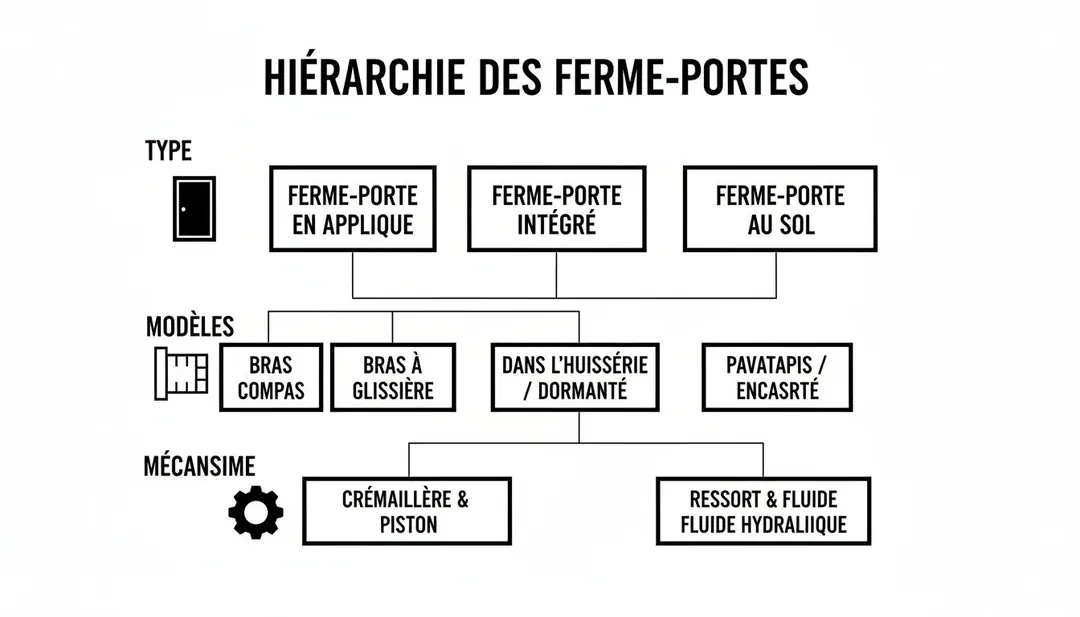
As you can see, the final model depends directly on the type of door and its use. It’s a made-to-measure choice.
Navigating standards in Montreal
In Montreal, the Quebec Building Code (RBQ) and fire safety standards are very clear.
Any door used as an emergency exit or designated as a fire door must be fitted with a certified, working door closer. Failure to do so represents a real risk to safety in the event of fire.
This is where the expertise of a BSP-certified locksmith makes the difference. We make sure that the model installed, whether an LCN or a Dorex, is not only the right one for your door, but also meets all local requirements. For complete protection, take a look at our commercial weatherstripping installation service in Montreal.
Our recommendations based on field experience
Working in boroughs as varied as Saint-Léonard and Plateau-Mont-Royal, we’ve learned to recognize solutions that work.
For a shop’s glass door, a Dorex 751 series is an excellent choice. For a building entrance with constant comings and goings, the LCN 4040XP is a very robust model, known for its durability.
We install trusted brands like Abloy, Medeco and Schlage, for a security solution that’s built to last. An on-site assessment enables us to recommend the right equipment, one that will secure your building for years to come.
Avoid the risks of amateur installation
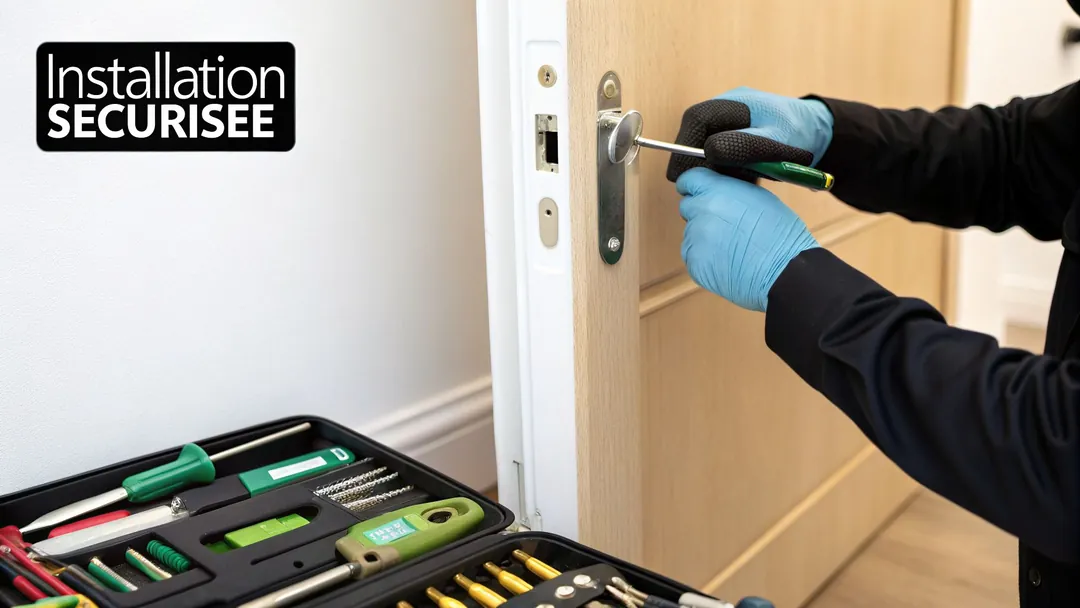
Installing an automatic door closer yourself to save a few dollars is a tempting idea, but a small mistake can have big consequences.
Misalignment, miscalculated tension or maladjusted speeds can damage your door and render the closer useless, jeopardizing people’s safety.
The dangers of incorrect adjustment
A door closer is a mechanical marvel where each adjustment screw has a precise role. Here are the most common problems we correct:
- Door slams violently: Poorly controlled closing speed wears out the lock and can crack the frame.
- Door won’t lock: If the final push (latch speed) lacks power, the latch won’t engage. Your business is then left unsecured.
- Vulnerability to wind: A poorly adjusted opening cushion (backcheck) is an open door to drafts and dangerous slamming.
- Premature wear of the mechanism: Forcing the hydraulic mechanism leads to oil leakage and rapid breakdown.
Calling on a locksmith holding BSP permit #SER 20073700, like Lock Aid, means peace of mind. With over 20 years of experience, our experts fine-tune every setting to the millimetre.
Whether it’s calibrating the hold-open force against the winds in Ahuntsic-Cartierville or adjusting the latch speed for secure closing in your Saint-Léonard business, we make a precise adjustment.
Professional expertise: an investment, not an expense
This attention to detail matters even more today. To learn more about the local economy, you can read this analysis from the Quebec Industrial Barometer (opens in a new tab).
Hiring a bilingual Lock Aid professional is a long-term investment. We make sure the installation meets the standards of manufacturers like Dorex or LCN, as well as your insurer’s requirements and the building code.
Diagnose and maintain your door closer
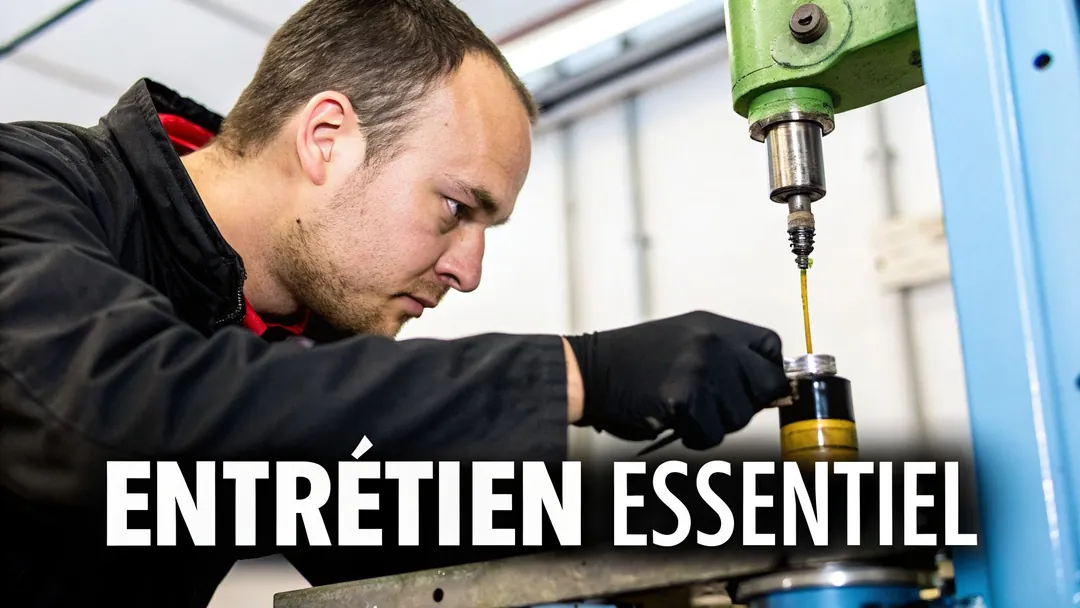
An automatic door closer that squeaks, slams or leaks is never a good sign. It’s often the first symptom of a problem that could compromise your security.
Learning to recognize the warning signs allows you to act before the situation gets worse. A door that doesn’t lock properly is an invitation to intruders.
Identify common problems
A little visual inspection now and then can save you a lot of headaches, whether you run a business in Anjou or a building on the Plateau-Mont-Royal.
Here are the classics:
- Oil leak: This is the most critical sign. If you see an oily substance leaking from the housing, the internal seals have failed. The mechanism can’t be repaired and you’ll need to replace the whole unit.
- Squeaking or rattling noises: These sounds can indicate arm wear, misalignment or the need for lubrication.
- Door won’t close all the way: Is the lock bolt not engaging? The culprit is often a poorly set final speed (latch speed).
- The door is hard to open: The spring tension may be too high, or the opening cushion (backcheck) may be poorly adjusted.
Ignoring these signs means running the risk of a total breakdown at the worst possible moment.
A leaking closer loses its ability to control closing, making it non-compliant with RBQ fire safety standards. This is an unacceptable risk for a fire door.
Quick troubleshooting guide for door closers
This table will help you identify common problems and know when to call in an expert.
| Problem observed | Possible cause | Recommended action |
|---|---|---|
| The door slams violently | Main closing speed too fast. | Valve adjustment. A technician can adjust the main speed screw. This is a delicate operation. |
| Visible oil leak | Worn or broken internal seals. | Replacement required. Contact a locksmith without delay. Our mobile service during published business hours can come and replace the unit. |
| Door won’t lock | Latch speed too low or misalignment. | Adjustment or realignment. A professional can adjust the latch speed screw or check the alignment. |
| Squeaky arms | Lack of lubrication or wear on pivots. | Lubrication. Try a suitable lubricant. If the noise persists, a part may be worn. |
An adjustment may seem simple, but a wrong turn of a screw can completely upset the mechanism. When in doubt, give us a call.
The importance of preventive maintenance
The secret to avoiding breakdowns is regular maintenance. At Lock Aid, we suggest a yearly inspection, especially for high-traffic doors in Montréal-Nord or Saint-Léonard.
Our technicians, working under our BSP permit #SER 20073700, with over 20 years of experience, perform the following checks:
- Visual inspection: Check for leaks, loose fasteners and signs of wear.
- Seasonal adjustment: Adjusting speeds at the start of winter and summer ensures consistent performance.
- Compliance check: We make sure your installation still complies with fire regulations.
Remember, our mobile service during published business hours can travel anywhere in Montreal, from Ahuntsic to LaSalle, for a diagnosis or an emergency repair.
Why trust Lock Aid with your security?
Installing an automatic door closer is a key element of your building’s security. Choosing the right professional means entrusting your protection to someone who really understands what’s at stake.
Our BSP permit #SER 20073700 (Bureau de la sécurité privée) and our full police security clearance are your guarantee. Every technician is a trusted professional whose integrity has been checked and who follows strict standards.
Our expertise in the field protects your investment
With over 20 years’ experience in locksmithing in Montreal, we’ve worked everywhere from busy Westmount businesses to Plateau-Mont-Royal building entrances.
This experience has taught us to work only with recognized brands, ones that have proven their toughness in our climate.
- Trusted brands: We install LCN, Dorex, Corbin Russwin and Assa Abloy. These are the names that professionals respect.
- Bilingual service, no surprises: We serve both French and English-speaking customers throughout the Greater Montreal area. Clear communication is the basis of successful service.
- Solutions that go further: We can integrate your door closer with more complex access control systems for added security.
Emergency service, because a door can’t wait
A door that no longer closes properly is a security flaw. It’s an emergency.
That’s why we set up an emergency service. During business hours, our mobile units travel everywhere from LaSalle to Saint-Léonard.
Whether for a planned installation, an emergency repair or preventive maintenance, choosing Lock Aid means choosing peace of mind. We ensure the continuity and security of your business.
We’re often asked… (FAQ)
In the course of our work across Montreal, certain questions about automatic door closers keep cropping up. Here’s what our expert locksmiths have to say.
How much does a commercial door closer cost in Montreal?
For a complete installation, parts and labour included, the price depends mainly on the model chosen and the complexity of the installation.
For example, a heavy-duty LCN model for a shopping centre door in Anjou will cost more than a basic model. It’s a smart investment for its durability. To get a clear answer, Lock Aid offers a free estimate tailored to your door and your budget.
Can a door closer work well in a Quebec winter?
Yes, as long as you choose a quality model. The secret is the hydraulic fluid. Trusted brands like LCN and Dorex use a special fluid that won’t freeze, even in extreme cold.
This fluid maintains a stable consistency, whether it’s -30°C on the Plateau-Mont-Royal or hot in summer. A small seasonal adjustment by one of our technicians is recommended for optimum performance.
Is my business required to have a door closer?
Yes, for most commercial doors. The regulations are very clear on this subject.
Any door identified as an emergency exit or fire door must be equipped with a working door closer. This is a requirement of the Quebec Building Code (RBQ) and Montreal’s fire prevention by-laws.
The goal is to make sure the door closes on its own to contain smoke in case of fire. Ignoring this standard puts everyone’s safety at risk. Our team, working under our BSP permit #SER 20073700, delivers a compliant and safe installation.
Need help? Our mobile units travel throughout Montreal during business hours. Call Lock Aid at (438) 300-7549 or request a locksmith online for a professional estimate or emergency service.